
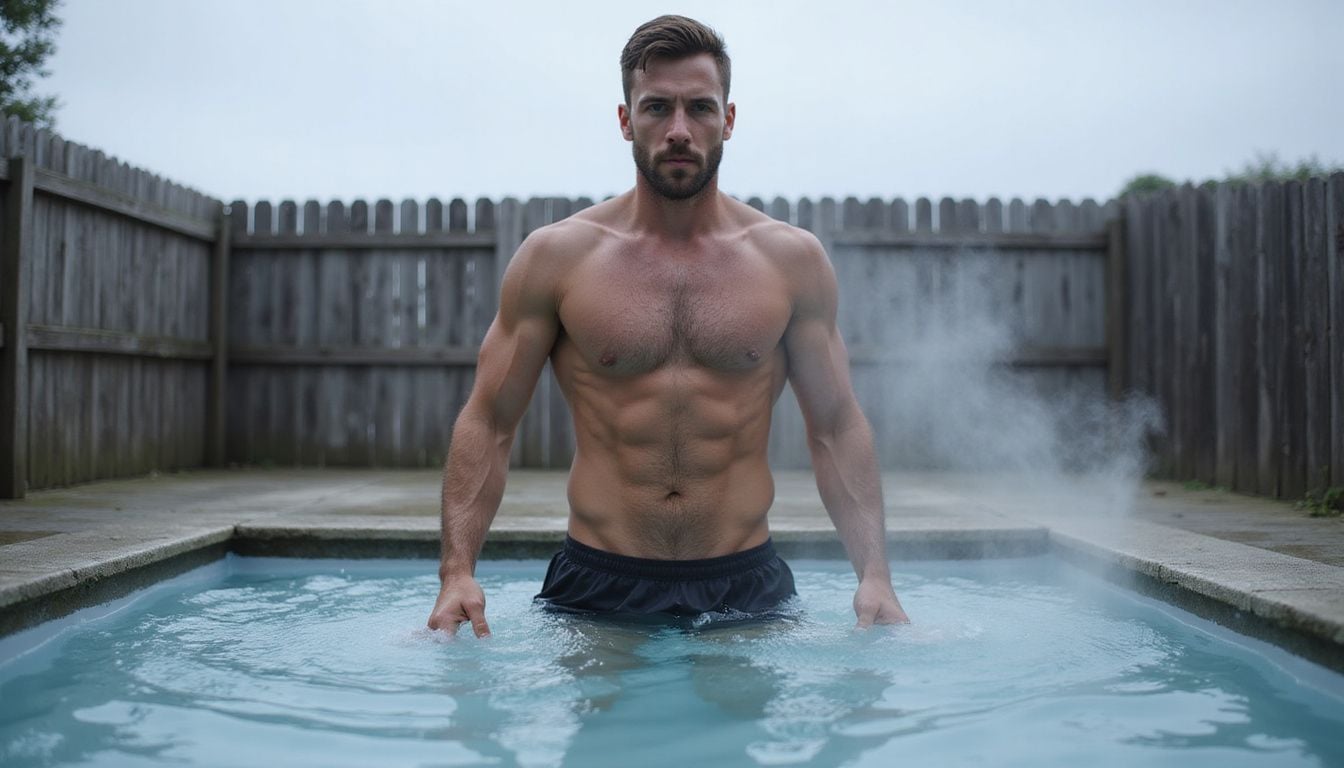

Feeling stiff, sore, or mentally drained? A cold plunge might be the solution you need. This simple practice helps your body recover and sharpens your mind. In this post, you’ll learn how to start safely and enjoy its benefits.
Keep reading to take the plunge!
What Is Cold Plunging?
Cold plunging is immersing your body in cold water, usually between 50°F and 59°F. This practice involves using tubs, ice baths, or natural bodies of cold water.
It works by exposing the body to low temperatures for short periods. The sudden cold triggers physical responses like improved blood flow and quicker recovery. Many people use simple DIY cold plunge setups at home to get started.
Key Benefits of Cold Water Immersion
Cold plunging can help your body and mind feel stronger. It supports better health in simple and effective ways.
Reduces muscle soreness and inflammation
Cold water immersion helps lower muscle soreness. The cold reduces swelling by tightening blood vessels. This process lessens pain and aids recovery after exercise.
It can also slow tissue damage caused by minor injuries. Many athletes use it to manage inflammation and feel better faster. Regular sessions may improve how your body handles stress on muscles long term.
Improves circulation and cellular resilience
Reducing soreness with cold water also helps blood flow. Cold exposure causes blood vessels to constrict, pushing blood toward your core. After warming up, the vessels open back up, improving circulation.
Improved circulation brings oxygen and nutrients to cells faster. This process strengthens cell health and makes them more resilient. It can also help remove toxins and waste from the body efficiently.
Boosts mental clarity and stress management
Cold plunging increases blood flow to the brain. This sharpens focus and clears mental fog. The cold activates your nervous system, helping you feel alert and calm.
It also reduces stress by lowering cortisol levels. Cold water triggers deep breathing, which relaxes your body. Regular exercise sessions can boost mood and build resilience to daily stressors.
Enhances recovery and immune function
Cold plunging speeds up muscle recovery. It reduces swelling by tightening blood vessels and flushing out toxins. Athletes often use it to bounce back faster after intense workouts.
It also boosts the immune system. The cold triggers a rush of white blood cells, which fight off illnesses. Over time, regular plunges can make you less likely to get sick.
Preparing for Your First Cold Plunge
Start with short sessions to let your body adjust. Pick a calm environment to stay relaxed.
Choose the right water temperature (50°F–59°F)
Cold plunging works best at 50°F to 59°F. This range is safe for most beginners and effective for health benefits. Water colder than this can shock the body, especially if you’re not used to it.
Use a thermometer to check the water before entering. Stick within this range as you build tolerance. Comfortable temperatures create better experiences during initial sessions.
Limit initial sessions to 1–2 minutes
Start with brief sessions lasting 1 to 2 minutes. This helps your body adjust to the cold safely without overwhelming it.
Longer exposures can shock your system, especially if you’re new. Short sessions reduce risks and build tolerance over time.
Focus on controlled breathing techniques
Controlled breathing helps your body adapt to cold water. Take slow, deep breaths in through your nose and out through your mouth. This steadies your heart rate and prevents panic.
Avoid holding your breath during the plunge. Focus on a rhythm like 4 seconds in, hold for 4 seconds, then 6 seconds out. Controlled breathing reduces shock and makes the experience safer.
Safety Tips for Cold Plunging
Cold plunging can be thrilling but requires caution. Take proper steps to stay safe and avoid risks.
Consult a physician if you have medical conditions
Speak with your doctor before trying a cold plunge if you have health issues. Medical conditions like heart problems, asthma, or high blood pressure can make this practice risky.
A physician can check if cold plunging is safe for you. They may offer tips to lower potential risks and ensure a positive experience. Always put safety first to avoid complications.
Avoid plunging alone
A medical check-up is key, especially with health concerns. Cold plunges can stress the body unexpectedly.
Always have a buddy during your plunge. They can help if you feel weak or disoriented. Solo plunging increases the risk of accidents like slipping or fainting. Having someone nearby ensures quick aid in emergencies.
Warm up gradually after immersion
Body temperature drops after cold plunging. Move to a warmer area and dress in dry, warm layers. Avoid sudden heat sources like hot showers, as they may shock your body.
Light movement helps restore warmth. Try gentle exercises like walking or stretching. This can improve blood flow and prevent stiffness.
Advanced Cold Plunge Practices
Try advanced techniques to challenge your body and boost your cold plunge experience.
Incorporate breathing control techniques (e.g., Wim Hof Method)
Breathing control helps you stay calm in cold water. The Wim Hof Method is a popular technique for this. It focuses on deep, controlled breathing and holding your breath briefly. Start by taking 30 deep breaths, exhaling fully but not forcing it out. Then hold your breath after exhaling until you feel the need to breathe again.
This method improves oxygen flow and reduces stress during a plunge. It also helps keep your body relaxed while adjusting to cold temperatures. Practice regularly before entering cold water to build comfort and confidence over time.
Combine with sauna or steam room sessions for contrast therapy
Switch between cold plunging and sessions in a sauna or steam room. The heat opens your pores, relaxes muscles, and increases blood flow. Moving to the cold plunge afterwards stimulates circulation even more and strengthens your body’s stress response.
Stay in the sauna for 10-15 minutes before going back to the cold plunge for 1-2 minutes. Repeat this cycle two or three times if you’re comfortable. This contrast therapy improves recovery, boosts energy levels, and can leave you feeling refreshed.
Always listen to your body during these switches.
Extend duration and tolerance over time
Increase your cold plunge time slowly. Start with 1-2 minutes and add 15-30 seconds each week. Let your body adjust to the cold before pushing your limits.
Focus on steady breathing as you stay in for longer. Stay calm to avoid shock or panic. Over time, the cold will feel less intense, and your tolerance will improve.
Popular Cold Plunge Equipment
Cold plunge gear comes in many shapes and sizes. Pick what fits your budget and space needs.
Entry-level options: Inflatable or basic tubs
Inflatable tubs are affordable and easy to set up. They work well for beginners who want a simple cold plunge option. These tubs can hold enough water for full-body immersion and deflate for storage after use.
Basic plastic or metal tubs also offer an inexpensive choice. They are sturdy, durable, and available at most hardware stores. Add ice or chilled water to create your own cold plunge experience at home.
High-end tubs: Smart chillers and residential units
High-end tubs offer advanced features like smart chillers. These systems keep water at a steady cold temperature, ranging from 39°F to 59°F. They are perfect for those who want precise control over their cold plunges.
Residential units often include extras like filtration systems and easy drainage options. Some models even come with apps to adjust settings remotely. These tubs provide convenience and durability for regular use in your home.
DIY setups for beginners
Set up a simple cold plunge using an inflatable tub or stock tank. Fill it with cold water and add ice to lower the temperature. This setup is cheap and easy for beginners.
Keep a thermometer handy to monitor water temperature, aiming for 50°F to 59°F. Place the tub in your backyard or bathroom, ensuring it’s on stable ground.
Frequently Asked Questions
Many people wonder how often they should cold plunge. Others ask if it’s safe for everyone to try.
How often should I cold plunge?
Cold plunging 2 to 4 times a week works well for most people. Beginners should start with fewer sessions and shorter durations.
Always listen to your body. If you feel very tired or stiff, take a break. Regular practice boosts results, but overdoing it may cause harm.
Is cold plunging safe for everyone?
Cold plunging is not safe for everyone. People with heart conditions or blood pressure issues should avoid it without medical advice. The sudden drop in temperature can stress the heart.
Anyone pregnant or with a pre-existing condition should talk to their doctor first. Beginners may also face risks if they stay too long in cold water or skip warming up after. Always follow safety guidelines to reduce risks.
Conclusion
Cold plunging can boost your body and mind. Start slow, stay safe, and focus on breathing. With practice, you will build strength and confidence. Use the right tools to enhance your experience.
Stay consistent and enjoy the benefits!