
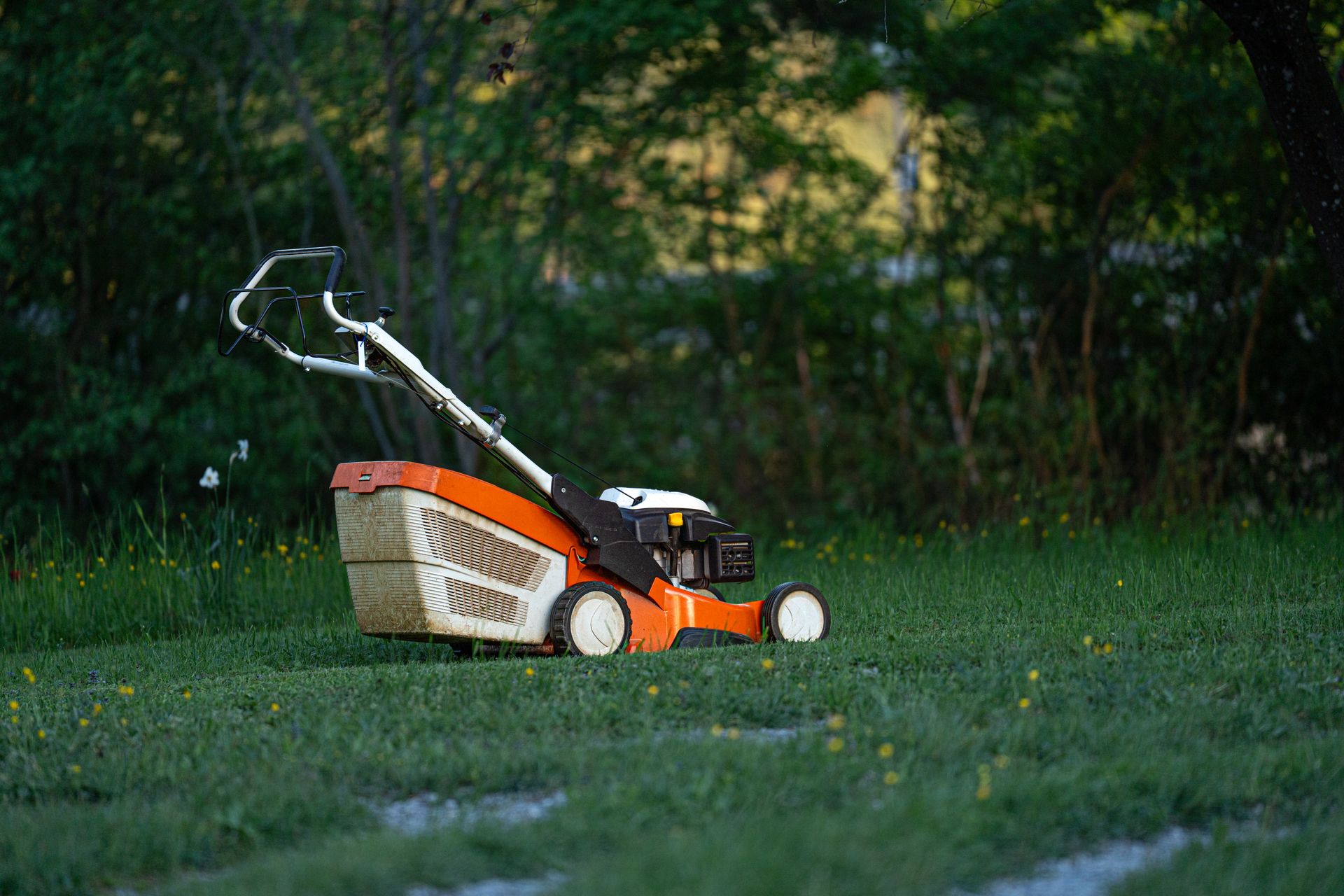

The transition from the blazing heat of late August into the crisp, cool days of autumn is a relief for both you and your yard. While summer survival mode is all about keeping the soil shaded and retaining moisture, fall brings an entirely different set of priorities for your turf. As the temperatures drop, your grass shifts its energy from growing tall blades to strengthening its root system for the cold months ahead. Adapting your lawn care routine to support this natural cycle is the secret to waking up to a lush, green yard next spring. Whether you use a classic push model or a commercial-grade stand-on mower, adjusting how you cut your grass during this seasonal shift makes a world of difference. It isn’t just about keeping the yard looking tidy; it’s about setting the stage for long-term health. Let’s look at a few simple adjustments you can make to your mowing routine as summer fades away.
Gradually Lower the Cutting Height
During the peak of summer, leaving your grass a bit taller helps shade the soil and protect the fragile root system from the scorching sun. However, as September rolls around, you need to start bringing that height down. Leaving grass too long during the fall and winter creates a perfect environment for snow mold and other fungal diseases to thrive. Tall grass also tends to mat down under the weight of fallen leaves or early snow, which suffocates the turf.
The trick is to lower your deck gradually. You never want to scalp the yard all at once, as this sends the plant into shock. A great strategy is to follow the one-third rule, meaning you never cut off more than one-third of the grass blade in a single session. Start dropping the deck by half an inch each time you mow until you reach a final autumn height of about two inches. This gradual reduction gives the turf plenty of time to adapt without stressing the root system.
Adjusting Your Schedule
As the days get shorter and the nights get cooler, you’ll notice your grass simply isn’t growing as fast as it did in July. Because the growth rate slows down, you won’t need to head out to the yard every single weekend. Forcing a weekly cut on grass that hasn’t grown much only causes unnecessary stress and tire ruts in your soil.
Instead of sticking to a rigid calendar, let the turf tell you when it needs a trim. You might find yourself stretching the time between cuts to ten days or even a full two weeks. As late autumn approaches, keep an eye on the weather forecast. You want to time your final cut of the year just before the ground freezes or the first hard frost hits. Once the frost arrives, the grass enters its dormant phase, and driving equipment over frozen blades will cause cellular damage that takes months to heal.
Managing the Autumn Leaf Drop
Fall isn’t just about cooler weather; it’s also about leaves covering your property. A thick blanket of dead leaves blocks vital sunlight and traps excess moisture against the soil, creating a breeding ground for lawn diseases. Instead of spending your weekends raking endless piles into plastic bags, you can actually use your equipment to turn this seasonal chore into free fertilizer.
If the leaf cover is relatively light, simply run over the yard and mulch the leaves directly into the turf. Mulching chops the dry leaves into tiny, dime-sized pieces that easily filter down to the soil level. As these tiny organic fragments break down over the winter, they return valuable nutrients like carbon and nitrogen back into the earth. It’s a fantastic way to feed your lawn naturally while saving yourself hours of back-breaking yard work. Just make sure the leaves are dry when you do this, as wet leaves tend to clump together and clog up the discharge chute.
The Importance of Sharp Blades
We often think about tuning up our equipment at the beginning of spring, but checking your hardware in the fall is just as critical. After a long summer of dodging rocks, hitting stray twigs, and powering through thick patches of weeds, your cutting blades are likely dull and dinged up.
Mowing with a dull blade doesn’t slice the grass; it violently tears the tips. Torn grass blades are incredibly vulnerable to diseases and pests, which is the last thing you want right before the plant goes dormant for the winter. Take a few minutes to inspect the blades. If they look dull, grab a file to put a fresh edge on them, or simply swap them out for a new set. A clean, surgical cut helps the plant heal quickly and directs its energy toward root development rather than repairing damaged tips.
Preparing for Spring
Transitioning your yard from summer survival to winter preparation doesn’t require a complicated overhaul of your weekend routine. It just requires a little bit of strategy. By slowly reducing your cutting height, adapting your frequency to match the slower growth rate, mulching your leaves, and keeping a sharp edge on your equipment, you set your property up for incredible success. The effort you put in during these crisp autumn months pays off tenfold when the snow finally melts, revealing a thick, vibrant, and deeply rooted lawn ready to tackle the spring season.