
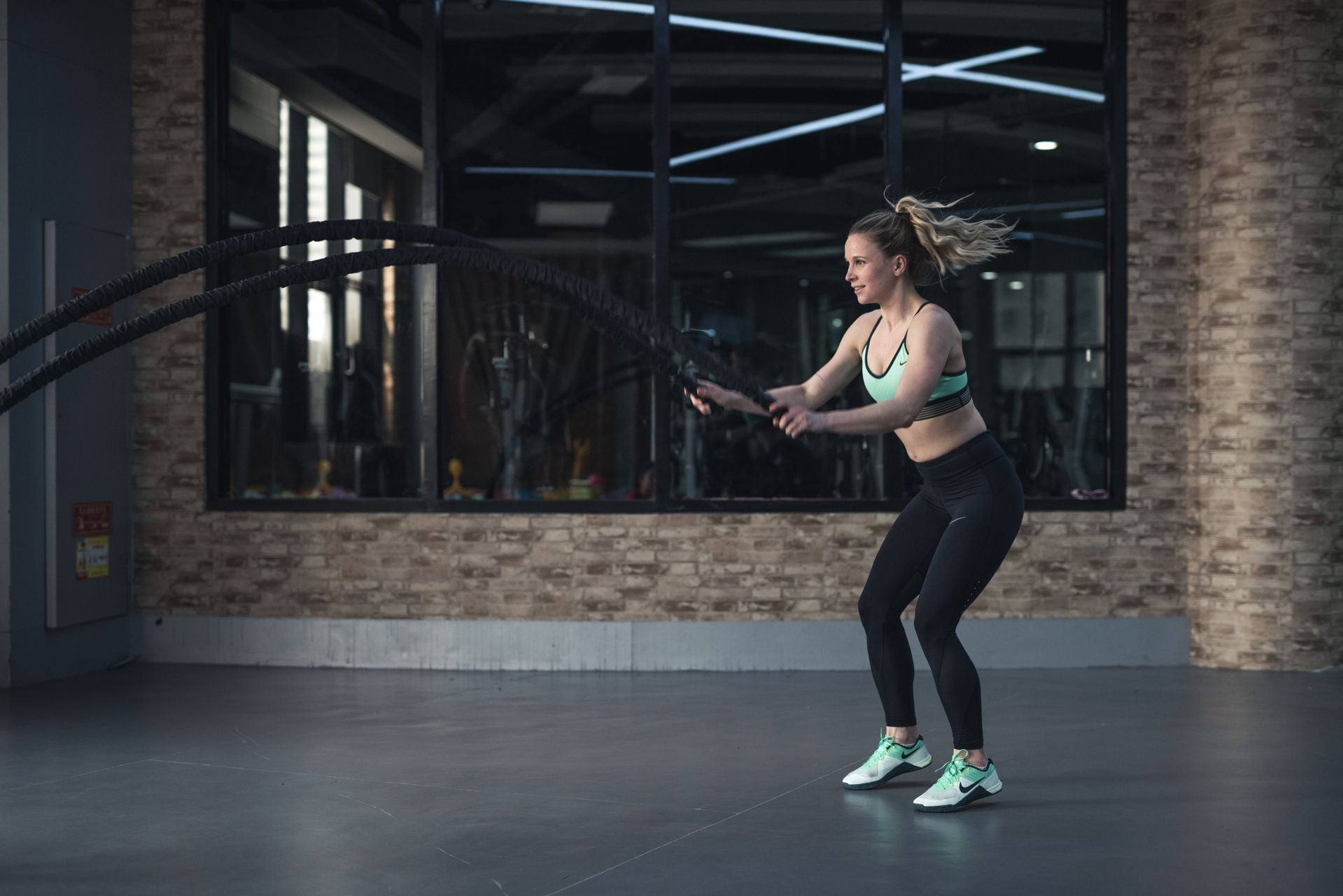

Walking into a gym for the first time, or even returning after a long break, can feel incredibly intimidating. You’re surrounded by complex machines, free weights, and people who look like they have spent their entire lives on a treadmill. It’s easy to feel lost, which is exactly why so many people eventually decide to hire a professional. If you’re finally ready to take that step, investing in personal training can completely change your approach to health and fitness. But if you’ve never worked one-on-one with a fitness coach before, it’s completely normal to feel a bit anxious about what that first session will actually look like.
Will they push you until you drop? Will you be expected to lift massive weights right away? The reality is usually far less dramatic and much more structured to create a sustainable and effective path forward for your fitness journey.
The Initial Assessment
Your first meeting will probably look more like an interview than a workout. Before you pick up a single dumbbell, a good coach needs to understand your starting point. They’ll ask detailed questions about your medical history, any past or current injuries, and your daily lifestyle.
They also want to know exactly what you’re trying to achieve. Do you want to build muscle, increase your endurance, or simply meet the CDC’s baseline recommendation of 150 minutes of moderate physical activity a week? Be completely honest during this conversation. If you hate running, tell them. If you can only commit to two days a week, make that clear. They’ll likely take a few baseline measurements or have you perform some basic movement tests to see how your joints move and where your imbalances lie. This information is critical because it forms the foundation of your entire customized program.
Stripping Down to the Basics
Many people are surprised to find that their first few actual workouts feel a bit slow. If you expect a fast-paced, high-intensity sweat session immediately, you might need to adjust your expectations. A quality coach will spend a significant amount of time breaking down foundational movements.
You might spend an entire session just learning how to hinge at your hips properly for a deadlift or figuring out how to engage your core during a squat. They’re going to correct your posture, adjust your foot placement, and monitor your breathing. This can feel tedious if you just want to get moving, but it’s necessary. Building a strong foundation with the correct form is the only way to ensure you can safely increase weight and intensity down the road without causing a serious injury.
Pushing the Right Boundaries
Once your form is solid, the real work begins. One of the main reasons people fail to see results on their own is that they either push too hard and get hurt, or they stay entirely within their comfort zone and stop making progress. Your coach is there to find that sweet spot.
A professional can help you gauge whether you’re actually hitting a moderate or vigorous level of training by tracking physical clues like your breathing, sweat rate, and ability to hold a conversation. When a movement starts to feel easy, your coach will adjust the variables. They might add a few pounds, slow down the tempo of the exercise, or shorten your rest periods. You never have to worry about what comes next or whether you are doing enough
Accountability and Adjustments
Perhaps the biggest benefit of paying for one-on-one coaching is the built-in accountability. It’s very easy to hit the snooze button when the only person you are letting down is yourself. It’s much harder to skip a workout when you know someone is waiting for you at the gym, with a clipboard in hand and a plan specifically designed for you.
Furthermore, a great coach is adaptable. If you walk in after a terrible night of sleep or a highly stressful day at the office, they’ll read your body language. Instead of forcing you through a brutal heavy lifting session, they might pivot to mobility work or lighter, restorative movements. They understand that fitness isn’t a strictly linear journey. You’ll have great days where you hit personal records, and you’ll have tough days where just showing up is a massive victory.
Ultimately, working with a professional removes the guesswork from your routine. You stop wasting time wandering between machines and start making focused, intentional progress.