
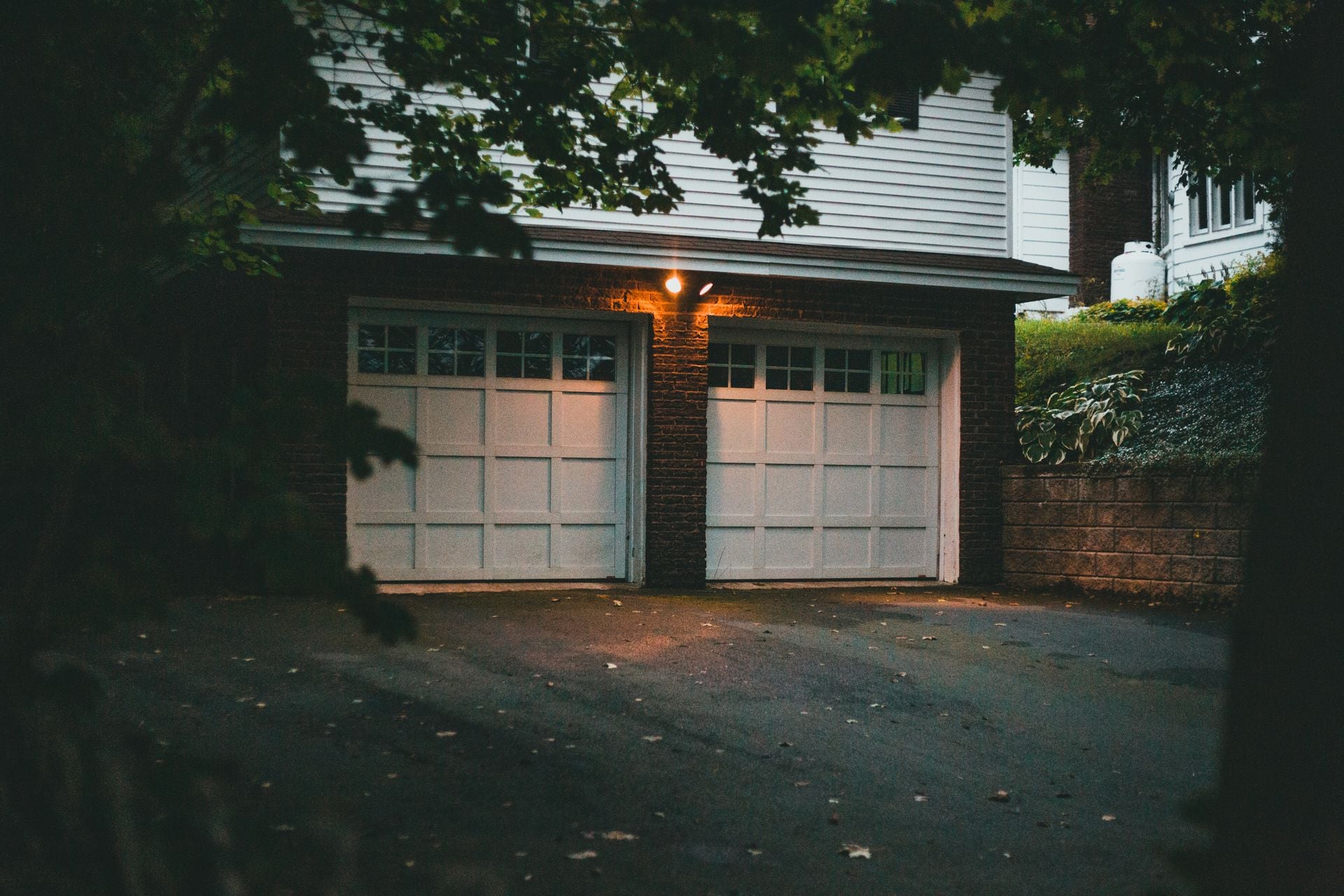

When you press the button on your remote and your garage door remains still, the frustration is immediate. For many homeowners, this massive piece of machinery serves as the primary entrance to the house. A malfunctioning garage door can trap your car inside, leave your home exposed to the elements, or simply create a massive headache right as you’re trying to leave for work.
In an era of online video tutorials, it’s incredibly tempting to grab a ladder, dig out your toolbox, and attempt to fix the problem yourself. While some minor maintenance tasks are perfectly safe for the average weekend warrior, other repairs are notoriously dangerous. Knowing the difference between a simple DIY adjustment and a job that requires professional intervention is crucial for your personal safety and the structural integrity of your home.
Repairs You Can Handle Safely
One of the most common issues you can safely tackle yourself involves the photoelectric safety sensors located near the floor on either side of the opening. If your door opens fine but refuses to close (or starts to close and immediately reverses), these sensors are usually the culprit. Before panicking, take a dry microfiber cloth and wipe away any debris blocking the lenses. If they are clean, check to see if one has been bumped out of alignment. Most models have small indicator lights that will glow solidly when the invisible beam is properly aligned. Gently nudging the sensor bracket until the light stops blinking will often solve the problem in a matter of seconds, saving you the cost of an unnecessary service call.
Routine mechanical maintenance is another area where homeowners can safely take charge. Squeaking, grinding, and rattling noises are usually cries for lubrication. Applying a high-quality lithium or silicone-based spray to the hinges, metal rollers, and bearing plates can dramatically quiet down a noisy system. Furthermore, replacing the bottom rubber weather seal is a straightforward, low-risk project. Over time, these seals crack and flatten, letting in drafts, rain, and pests. Properly sealing exterior gaps is a fundamental step in maintaining home energy efficiency and lowering your monthly bills. Sliding a new rubber gasket into the bottom track requires patience and a utility knife, but it carries zero risk of mechanical injury.
When You Must Call a Professional
However, the line between safe DIY and serious danger is drawn exactly where the heavy lifting begins. Under no circumstances should an untrained homeowner attempt to repair or replace the torsion or extension springs. These tightly coiled metal components carry the entire weight of the heavy panels, which can easily exceed two hundred pounds. When a spring breaks, it releases an immense amount of stored kinetic energy. Attempting to unwind, adjust, or replace these springs without specialized winding bars and professional training has resulted in severe facial injuries and broken bones.
The lifting cables that run alongside the vertical tracks work in tandem with the spring system and are under the exact same extreme tension. If a cable snaps or frays, the heavy panels can hang at a precarious angle or slam shut violently. Reattaching or replacing these cables is highly volatile work. Additionally, if the heavy metal tracks that guide the rollers become bent or severely misaligned, trying to hammer them back into shape yourself is a recipe for disaster. A compromised track can cause the entire assembly to derail and crash to the concrete floor. Professionals have the bracing equipment necessary to safely secure the heavy panels while realigning or replacing the structural framework.
Knowing Your Limits
Your overhead door is likely the largest and heaviest moving object in your home. While basic cleaning, simple lubrication, and minor sensor alignments are safe and encouraged practices that extend the lifespan of the system, you must respect the mechanical limits. Any repair involving the counterbalance system requires specialized tools and specific training to handle the massive tension safely. When in doubt, stepping back and calling a licensed technician is always the smartest decision. Paying for professional expertise not only guarantees the job is done correctly but ensures that a well-intentioned weekend project does not end in a serious injury.