
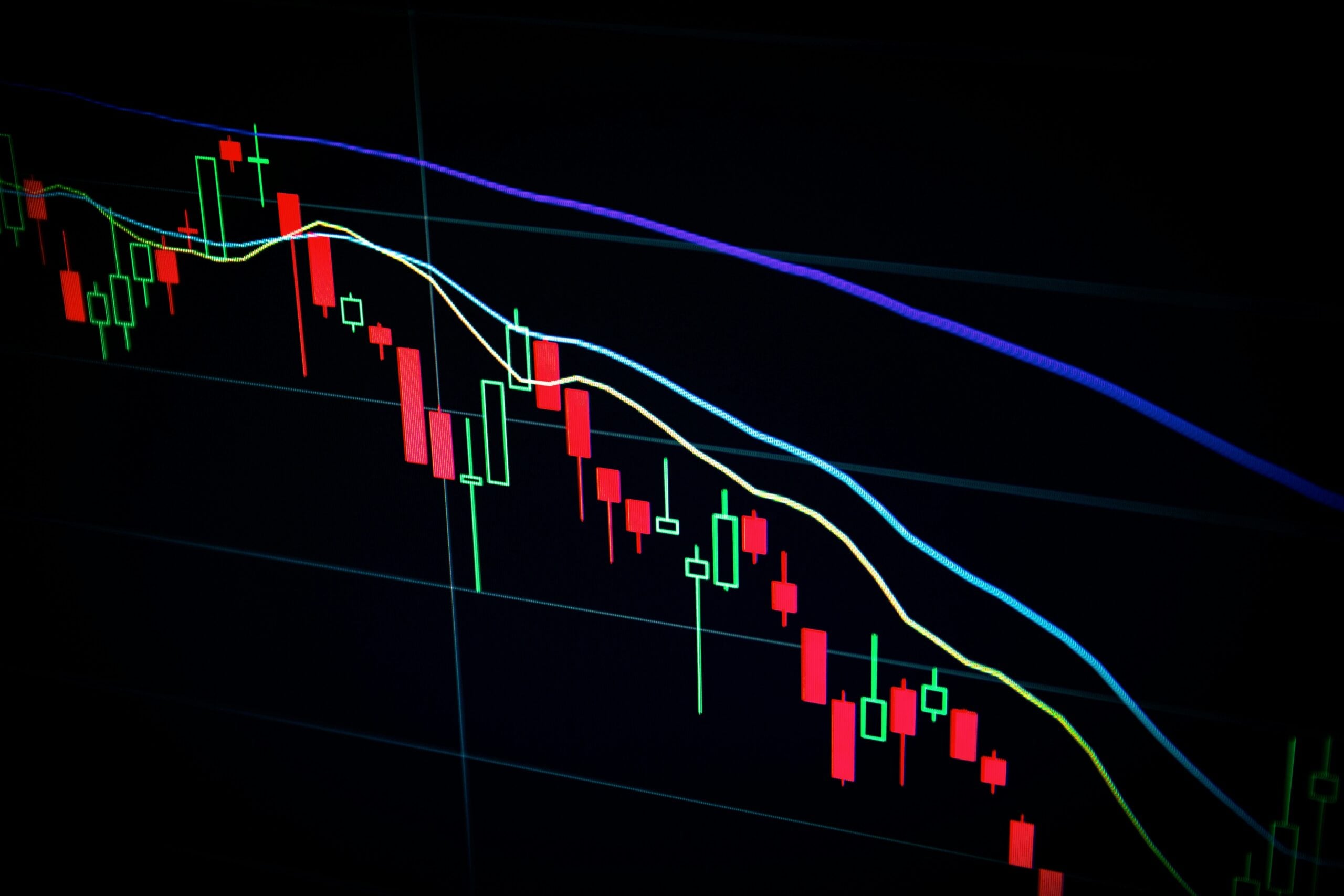

Unlike traditional instruments, such as forex, commodities, and stocks, synthetic indices are available 24 hours a day, seven days a week.
But does every hour deliver equal trading opportunities? Is there a “best time to trade synthetic indices”? The short answer is that there is no such thing as a universally perfect period to trade synthetic indices.
Best Time to Trade Synthetic Indices
For financial instruments such as forex, traders often study the London, New York, and Tokyo windows because activity and liquidity can change as different markets open and close. However, this logic doesn’t apply when trading synthetic indices.
Finding success when trading at night or early morning doesn’t guarantee you will get similar success the following day at the same time. Therefore, what you should focus on when trading synthetic indices is building a strategy that aligns with your goals and risk tolerance.
What You Should Consider Instead of the “Best Time”
Instead of looking for the best time to trade synthetic indices, you should focus on the following as a trader.
§ Your Trading Strategy
Your trading plan should focus on when you trade based on your daily routine and commitments. For instance, if you have a 9–5 job, you can trade during the early morning or late evening hours.
The trading strategy should also include more details, such as entry and exit conditions, trend direction, and risk percentage. This can help prevent the common mistake of opening trades based on impulse or just for the sake of it.
§ The Volatility of the Synthetic Index
One thing to keep in mind is that synthetic indices have different characteristics. High-volatility synthetic indices produce larger and faster price movements, while low-volatility ones move more slowly.
For this reason, you should select a synthetic index that aligns well with your strategy and risk tolerance.
Should You Trade During Forex Session Overlaps?
Many traders, especially those new to trading synthetic indices, often get confused, thinking that forex overlap sessions affect synthetic markets. It is not uncommon to find a trader new to synthetic indices asking: Does news affect synthetic indices?
Synthetic indices are fundamentally different and independent. Whatever happens around the world does not affect price fluctuations in the synthetic market. Every synthetic index is generated using a combination of an algorithm and random number generators.
As a result, news about the USD performing poorly or high inflation rates in the US won’t influence synthetic indices’ price movements.
Risk Management Is Important
You can have a good entry strategy and still lose money if position sizing and risk management are poor. In fact, part of building your trading strategy must include setting up rules to protect your capital.
Before entering a synthetic index trade, calculate the right position size based on your account and the distance to your stop-loss point. Next, ensure you set stop-loss and take-profit orders when opening positions in the synthetic market.
Lastly, have a clear risk percentage and stick to it. In most cases, we recommend not risking more than 2% of what is available in your trading account. Excessive trading can increase costs and expose the account to unnecessary risk.