
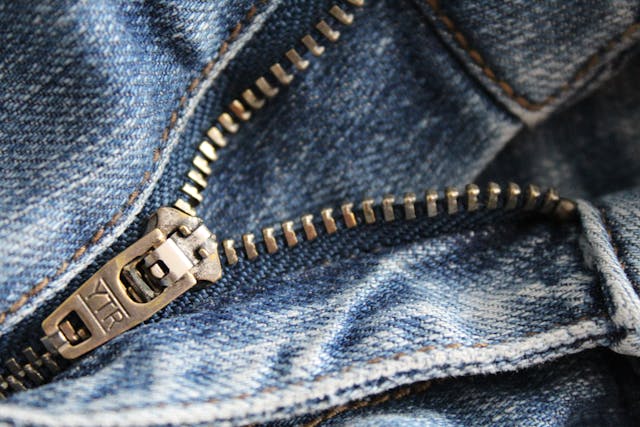

Sewing a zipper into any garment can feel intimidating, but stretchy fabric adds an extra layer of challenge. Knit materials like spandex, jersey, and athletic blends tend to shift and ripple, especially under the pressure of a sewing machine. With the right preparation, tools, and technique, however, you can install a zipper cleanly and create a professional-looking finish—whether you’re working on activewear, dresses, hoodies, or kids’ clothing.
Sewing fabric for clothes that stretches requires a different approach than working with rigid, woven material. Stretch fabric moves in multiple directions, so your primary goal is to stabilize it before the zipper goes in. Start by choosing the right zipper for your project. A lightweight, flexible zipper works best for most knits, while heavy jackets may call for a sturdier option. Also consider using a ballpoint or stretch needle, which slips through fibers without tearing them. Thread choice matters too—polyester thread has the elasticity needed to handle garment movement without breaking.
Before you sew, apply a stabilizer along the zipper opening. This is one of the most important steps for achieving smooth, ripple-free results. You can use fusible interfacing, wash-away Wonder Tape, or even a strip of lightweight knit interfacing. Apply your stabilizer on the wrong side of the fabric and press it lightly with an iron. This prevents the knit material from stretching as you sew, helping the zipper lie flat.
Once your fabric is prepped, mark the zipper placement using chalk or a fabric-safe marking pen. Accuracy here ensures your zipper aligns properly once stitched. Pin or clip the zipper in place, but avoid stretching the fabric as you secure it. Many sewists prefer using clips for knits because pins can distort the edges. If the fabric still feels too flexible, add a second stabilizing strip along the opposite side of the zipper opening.
Next comes the sewing. Use a zipper foot on your machine so you can stitch close to the zipper teeth without catching them. Set your machine to a narrow zigzag stitch or a stretch stitch; these allow the seam to move with the garment without popping threads. Sew slowly, guiding—rather than pulling—the fabric. If the zipper is long, periodically stop with your needle down, lift the presser foot, and shift the zipper pull out of your sewing path to maintain a straight line.
After stitching both sides of the zipper, check for rippling or puckering. Sometimes, giving the seam a light press with a warm (not hot) iron helps the zipper settle into the fabric. If your fabric is extremely stretchy, a topstitch along the zipper edge can add stability and improve the finished look. Just remember to use the same stretch-friendly stitch type.
Finally, test the zipper several times. Zip it up and down to ensure it moves smoothly and the surrounding fabric doesn’t catch. Trim any loose threads and remove temporary stabilizers if you used them.
By taking your time, stabilizing the fabric, and using stitches that flex with the garment, sewing a zipper into stretchy material becomes much more manageable. With practice, you’ll be able to add zippers confidently to all your knit projects—from casual wear to performance apparel.