

Every month, the electric bill arrives, and for many homeowners, it comes with a familiar sense of dread. Whether it is the brutal heat of summer or the freezing bite of winter, keeping our living spaces comfortable can drain our bank accounts fast. But throwing money at utility companies isn’t your only option. Taking intentional steps to cultivate an energy efficient home can slash your monthly bills, reduce your carbon footprint, and make your living space significantly more comfortable year-round. You don’t need a massive budget or a complete solar-panel overhaul to see real results. Often, the biggest impact comes from simple, smart adjustments.
Take Control with a Smart Thermostat
Heating and cooling make up the single largest chunk of your home’s energy consumption. If you are still using an old-school manual thermostat that you constantly forget to adjust, you are wasting money. Upgrading to a smart thermostat is one of the quickest ways to change that.
These devices learn your daily routine, automatically lowering the temperature when you leave for work and bringing it back to your preferred setting right before you return. Many models allow you to track your real-time usage data, helping you identify exactly when and where you might be overspending.
Plug the Hidden Leaks
You could have the most advanced heating system in the world, but if your home is full of microscopic gaps, that expensive conditioned air is escaping right out into the neighborhood. Air leaks around windows, exterior doors, and baseboards act like a slow drain on your wallet.
Grab a few tubes of exterior-grade caulk and some rolls of weatherstripping to seal these trouble spots. Don’t forget to check the attic and basement, too. Properly sealing and insulating a home can save homeowners an average of 15% on heating and cooling costs.
Audit Your Appliances and Lighting
Older appliances are notorious energy hogs. If your refrigerator sounds like a jet engine or your clothes dryer takes two full cycles to finish a load, it is likely time for an upgrade. When looking for replacements, always look for government-backed labels indicating superior efficiency.
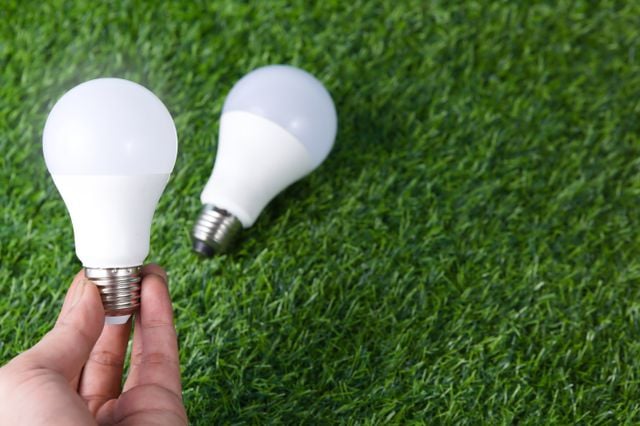
Navigating the Energy Star database can help you locate appliances that use significantly less electricity and water than standard models without sacrificing performance. While you are at it, swap out any remaining incandescent light bulbs for LEDs, which use up to 90% less energy.
Keep Your HVAC System Primed
Your furnace and air conditioner work incredibly hard to maintain a steady temperature. When filters get clogged with dust, pet dander, and debris, the system has to work twice as hard to push air through your vents, spiking your electricity usage.
Change your air filters every one to three months depending on your household needs. Additionally, schedule annual professional maintenance. A certified technician can clean vital components, check refrigerant levels, and ensure the entire system runs at peak optimization, preventing costly breakdowns while preserving your baseline efficiency.
Re-evaluate Your Windows
Windows are a major source of heat gain in the summer and heat loss in the winter. If replacing old, single-pane windows with double-pane glass isn’t in your current budget, there are plenty of affordable workarounds.
Installing heavy, thermal-insulated curtains can block out the baking afternoon sun or trap heat indoors during winter storms. You can also apply specialized window tinting films that deflect ultraviolet rays without blocking natural light, giving your HVAC system a much-needed break.
Lower the Temperature on Water Heating
Water heaters are the silent consumers of residential power, often accounting for nearly 18% of a home’s total utility expenditure. Most manufacturers ship water heaters with a default setting of 140° Fahrenheit.
For almost every household, dialing this setting down to 120° Fahrenheit is perfectly adequate for hot showers and running the dishwasher. This simple adjustment prevents the system from constantly overheating water you aren’t using, cutting down your standby heat losses without costing you a single dime or compromising your comfort.
Saving Green by Going Green
Creating a more efficient living space isn’t an all-or-nothing project that you have to complete overnight. Think of it as a series of small, intentional upgrades that compound over time. By sealing up drafts, optimizing your temperature control, and staying on top of appliance maintenance, you create a home that is easier on your wallet and much more comfortable to live in. Step by step, these changes turn a standard house into a sustainable retreat designed for the future, proving that saving energy is entirely within your control.