
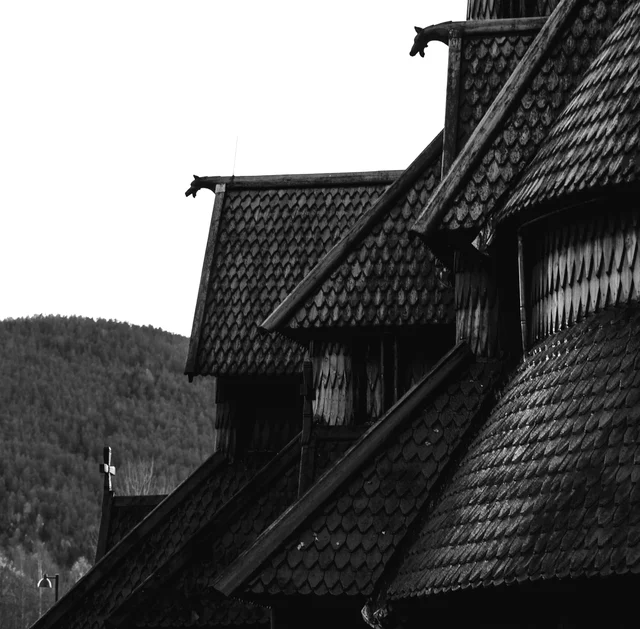

Drive through almost any modern suburban neighborhood, and you will quickly notice a distinct lack of architectural imagination. We often trade character for convenience, topping our homes with flat, repetitive asphalt that does little more than keep the rain out. But it wasn’t always this way. Centuries ago, builders viewed the roof as the crowning feature of an estate. They utilized natural materials to create sweeping, organic lines that made a house look as though it grew directly out of the surrounding landscape.
Today, a small group of dedicated craftsmen is bringing that magic back by resurrecting the dying art of steam-bent wood roofing. If you want to break away from the neighborhood mold, opting for custom shingles completely redefines your home’s exterior, transforming a basic structure into a living, breathing work of art. Let’s explore why this historical technique is capturing the attention of modern homeowners and luxury builders alike.
The Meticulous Magic of Steam Bending
To understand why this roofing style is so special, you have to look at how it’s actually made. You can’t just take a thick piece of rigid cedar and force it to curve around a dormer window; the wood will simply snap under the pressure. Instead, roofers rely on a painstaking, highly traditional process.
Premium cuts of wood—often Western Red Cedar, Alaskan Yellow Cedar, or even exotic Teak—are subjected to intense heat and moisture in a specialized steam box. After an hour or more in the steam, the wood fibers soften and become incredibly pliable. A master roofer then bends each shingle by hand to the exact radius needed for the house. Once the wood cools and dries in a custom brake system, it permanently locks into that new curved shape.
This isn’t a mass-produced product pulled off a factory assembly line. It’s a process where thousands of individual pieces are molded on-site or in a workshop to fit the exact contours of your unique roofline.
Achieving the Storybook Aesthetic
Traditional flat roofing forces a house into rigid geometric boxes. Steam-bent wood, on the other hand, allows a roof to genuinely flow. You can achieve rolled eaves that wrap smoothly around the edges of the house, curved valleys, and soft, undulating lines that mimic the enchanting look of a historic European thatched roof.
This sweeping style is highly sought after by homeowners looking to capture a whimsical, fairytale aesthetic. Whether you’re restoring a 1920s Tudor Revival, designing a rustic mountain retreat, or building a cottage, curved wood roofing provides a level of charm that synthetic materials simply can’t replicate. It softens the harsh angles of standard construction, making the home feel warm, inviting, and deeply rooted in history.
Superior Weather Resistance and Durability
While the aesthetic appeal is undeniable, steam-bent wood isn’t just about looking good. It offers substantial structural benefits. Wood roofing protected homes for hundreds of years, long before petroleum-based shingles hit the market. High-quality cedar and Wallaba possess natural oils and resins that make them highly resistant to rot, insect damage, and extreme temperature shifts.
When installed correctly by a skilled professional, a curved wood roof is exceptionally resilient.
- Tight Seals: The custom-fitted pieces create a tight, interlocking barrier against the elements, preventing wind uplift and water intrusion.
- Natural Insulation: The cellular structure of the wood acts as an incredible insulator. It traps warmth during the winter and allows the attic to breathe during the summer, naturally regulating your home’s internal temperature.
- Longevity: With routine maintenance, a well-crafted wood roof can easily last for several decades, outliving cheaper alternatives by a wide margin.
The Eco-Friendly Edge
We also need to consider the environmental footprint of our building materials. Millions of tons of standard roofing waste end up in landfills every single year. These materials take centuries to break down and leach harmful chemicals into the soil.
Wood is a completely renewable and sustainable resource. The timber used for high-end roofing is carefully harvested, and because the product lasts so long, it vastly reduces the cycle of tearing off and replacing the roof every fifteen years. When a natural wood roof finally reaches the end of its lifespan, it is entirely biodegradable. You’re making a conscious choice to utilize materials that work in harmony with the environment rather than harming it.
The Revival of True Craftsmanship
Finding a contractor who actually knows how to steam and bend wood is becoming increasingly difficult. The construction industry prioritizes speed, pushing workers to finish jobs as fast as possible. The patient art of shaping wood by hand is a specialized skill held by a shrinking number of artisans.
However, we’re seeing a passionate revival in the luxury real estate market. Discerning homeowners are tired of cookie-cutter designs and actively seek out these rare craftsmen. Investing in a steam-bent roof is seen as a major architectural upgrade. It acts as a status symbol that drastically boosts a property’s curb appeal and overall market value. Buyers recognize the immense labor and artistic vision required to build something so unique, making the home an instant landmark in the neighborhood.
Elevating Your Architecture
Building or remodeling a home is one of the largest investments you’ll ever make, so settling for an uninspired, flat roof feels like a missed opportunity. By embracing the centuries-old technique of steam bending, you elevate your property’s architecture to a completely different level. You gain a durable, energy-efficient, and environmentally friendly shield against the weather while securing a stunning aesthetic that will turn heads for generations to come. It’s a true testament to the fact that some old-world traditions are well worth saving.