
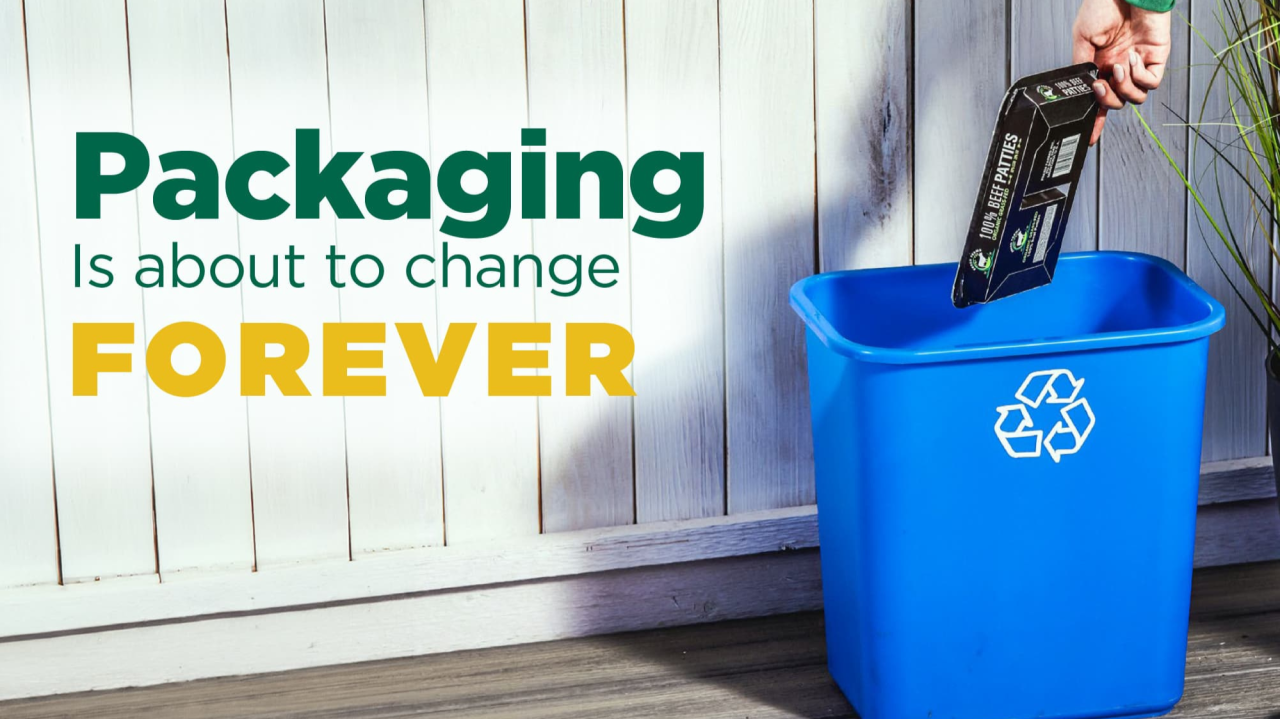

The days of plastic consumer packaging reigning supreme in Europe will soon be in the past. The European Union has declared that by 2030, all packaging on EU markets must be made for recycling. The mandate is the framework of the Packaging and Packaging Waste Regulation (PPWR), which entered into force in February 2025 and officially became applicable law on Aug. 12, 2026. PPWR replaced an outdated packaging directive that had previously been applicable for three decades. It is important to note that PPWR is not just a regional change, but will apply to all packaging sold in the EU, including imports. Because many international brands prefer to standardize packaging across markets, the mandate’s influence will likely reach beyond the EU as companies adapt to this more sustainable business practice. From August on, restrictions on PFAS and forever chemicals in food-contact packaging will take hold also.
The Framework and Why it Works
Since the 2010s, concern about single-use plastics and the waste they create has grown. To combat this, the mandate enforces a performance-based “Design for Recycling “DfR” framework, which grades all packaging materials based on how recyclable they are. Packaging that is ≥95% recyclable will receive an A, ≥80% will receive a B and ≥70% will receive a C. All materials graded below 70% are “technically non-recyclable” and will be removed from markets by 2030. This grading system is effective because it makes sustainability a strict commercial requirement rather than just an aspiration. It also provides the incentive of lower Extended Producer Responsibility (EPR) fees for companies.
The Ideal Material of the PPWR Era
Under the PPWR, packaging materials must be highly recyclable and meet all recycling targets. Paperboard has consistently shown to be the ideal material for a circular future of constant reusing, reducing and recycling. Raw materials such as wood pulp and recycled materials like paper are used to create this new, innovative sustainable packaging. European systems have recovered about 87% of paper and paperboard material, significantly outperforming harmful plastics. Paperboard fibers can be recycled 10 or more cycles, further proving how valuable the material is for circular design. Fiber-based formats are also designed to assist companies in navigating the tightening restrictions on single-use plastic packaging while simultaneously supporting general sustainability and resource efficiency goals.
Looking Towards the Future
The PPWR has projected the following packaging waste reduction goals across the EU:
-
5% by 2030
-
All packaging on the market must receive a passing grade according to the DrF
-
-
10% by 2035
-
All packaging in the EU must be recycled at scale
-
-
15% by 2040
-
Most plastic packaging and plastic parts must meet increased recycled content targets in the EU
-
All reductions are measured against levels from 2018.
Consumer brands view the mandate as both a constraint and a welcomed opportunity. Those that adapt early on and embrace materials such as paperboard in their operation are better prepared for compliance and more likely to succeed in a competitive market where sustainability will soon become the status quo.