
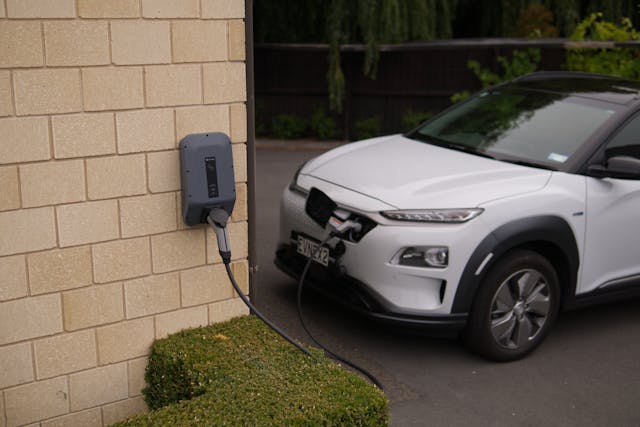

You finally brought home your very first electric vehicle. The dealership experience is over, the car looks incredible in the driveway, and you are ready to completely ditch the gas station. But then reality sets in. You pull the factory charging cable out of the trunk, plug it into the standard wall outlet in your garage, and look at the dashboard. The screen tells you it will take nearly three days to reach a full battery.
This is the exact moment most new EV owners realize their home infrastructure is not actually ready for their daily commute. Relying on a standard wall plug is fine for a golf cart, but a modern daily driver requires serious power. To wake up with a full battery every morning, you have to upgrade to a Level 2 charging system. However, getting that kind of heavy electrical juice safely flowing into your garage is not a weekend project. Before you buy hardware online, you need a licensed electrician to evaluate your home and execute the installation. Here is exactly what you need to understand about the Level 2 upgrade process.
The Frustration of Level 1 Trickle Charging
Every electric vehicle comes with a basic charging cord designed to plug into a standard 120-volt household outlet. This is known as Level 1 charging. While it is convenient because you can plug it in anywhere, it is painfully slow. A standard outlet only delivers roughly three to five miles of driving range per hour of charging.
If you only drive a few miles a day to grab groceries, a Level 1 setup might get you by. But if you have a standard daily commute, run errands after work, and rely on the highway, you will deplete your battery much faster than a standard wall plug can refill it overnight. You will start every morning with less and less range, creating severe anxiety and forcing you to rely on expensive public fast-charging stations just to keep up with your own schedule.
The Level 2 Advantage
A Level 2 charging station completely changes the ownership experience. Instead of a standard wall plug, this equipment utilizes a dedicated 240-volt circuit. This is the exact same type of heavy-duty power supply that runs your electric clothes dryer or your central air conditioning unit.
By doubling the voltage, a Level 2 system delivers anywhere from twelve to forty miles of range per hour of charging, depending on your specific vehicle and the amperage of the station. This means you can roll into your garage with a completely dead battery at dinner time, plug the car in, and wake up at sunrise with maximum range ready to go. It transforms your garage into a private, high-speed fueling station.
The Electrical Panel Reality Check
This is where the process gets highly technical. You cannot simply buy a Level 2 charger and screw it to your drywall. Your home has to possess the electrical capacity to support it. An electric vehicle pulls a massive, continuous electrical load for hours at a time. This generates a significant amount of heat within your wiring system.
If you live in an older home, there is a very high probability that your main electrical panel only supports 100 amps of total service. Between your HVAC system, refrigerator, electric oven, and daily lighting, your panel might already be maxed out. Attempting to add a heavy continuous load to an undersized panel will cause your main breaker to trip constantly and create a severe fire hazard. A professional must perform a strict load calculation on your property. If your current service is too small, you will need a heavy-up. This involves replacing your entire electrical panel to support 200 amps of total service before the car charger can even be installed safely.
Hardwired Versus Plug-In Hardware
When selecting your charging equipment, you will have to choose between a hardwired unit and a plug-in model.
A plug-in model requires the installation of a heavy-duty 240-volt receptacle right on the wall. You then plug the charging unit directly into it. The main benefit here is portability. If you decide to move in a few years, you can simply unplug the expensive hardware and take it with you.
A hardwired unit is permanently wired directly into the electrical circuit without a plug. Hardwired units are generally considered safer and more reliable because there are fewer points of connection where heat can build up and cause a failure. Furthermore, many high-powered chargers that deliver maximum amperage must be hardwired by law to meet national electrical safety codes.
The Danger of DIY Electrical Work
With online tutorials available, it is tempting to buy copper wire from the hardware store and try to wire the circuit yourself. This is a massive mistake.
Handling 240 volts is inherently dangerous. If you fail to torque a connection properly, use the wrong gauge wire, or install the wrong size breaker, the wires will overheat behind your drywall. A fire caused by an unpermitted electrical job will likely result in your insurance company denying the claim. Paying a professional ensures the job is inspected by the city and executed up to modern safety codes.
Strategic Placement and Cable Management
Finally, you have to think about the physical logistics of your garage. EV cables are thick and clumsy. Before any wires are run, park your car exactly where you normally would and locate the charging port. Mount the hardware close enough that the cable reaches easily without laying across walking paths. If you park outside, ensure the hardware is specifically rated for outdoor use so it survives heavy rain without shorting out.