

Time is one of the most valuable resources a person has. When people visit a bank branch or check out at a retail store, they want to complete their business and move on with their day. Long lines and slow processing systems lead to frustration and lost revenue. In the past, completing a simple transfer or paying a bill required paper forms, physical signatures, and a slow manual entry process by a clerk. Today, the landscape looks entirely different. The widespread adoption of touchscreen technology has completely revolutionized how money moves at the consumer level. By replacing clunky keyboards and outdated physical buttons with intuitive interactive displays, businesses are slashing wait times and delivering a smoother experience. Let us explore exactly how these modern interfaces speed up everyday financial transactions for both customers and employees.
Eliminating Manual Data Entry
For decades, updating an account or withdrawing funds meant filling out a paper deposit slip. The customer had to write down their account numbers, date the slip, and hand it to a teller. The teller then had to read the handwriting and type the information into a computer system using a standard keyboard. This double entry method was incredibly slow and prone to human error. If a number was entered incorrectly, the entire process had to start over.
Modern displays remove this issue entirely. When a customer walks up to a self-service terminal or a teller station, they can input their information directly into the system. Interactive screens prompt the user with clear, large numbers and letters, making data entry swift and accurate. The visual feedback is immediate. If a mistake occurs, the user can delete and correct it in a fraction of a second. This direct interaction removes the extra steps from the data entry process, cutting the time it takes to initiate a transaction by a significant margin.
Streamlining Signatures and Verification
Security is a vital component of any monetary exchange. In previous years, verifying identity and authorizing a transfer required a physical signature on a printed receipt or contract. The employee had to print the document, wait for the customer to sign it, and then securely file or scan the paper into a digital database. This sequence of events added minutes to every single interaction.
Interactive displays have modernized this verification process. Digital signature pads built into the screen allow a customer to authorize a payment or sign a loan document instantly. The digital ink registers immediately, and the document is saved directly to the institution’s server without any printing or scanning required. Modern screens integrate biometric scanners. A customer can verify their identity with a quick scan of their fingerprint directly on the display bezel. This swift verification process ensures that high security does not come at the cost of processing speed.
Empowering the Self-Service Banking Experience
The modern consumer values independence. Many people prefer to handle their own banking tasks without waiting for an available employee. Automated teller machines have existed for a long time, but older models relied on physical buttons located on the side of a small, dim monitor. Users had to carefully align the button with the text on the screen, which often led to confusion and mistaken selections.
Modern kiosks solve this problem through direct interaction. A customer simply taps the exact icon or account they want to access. The menus are highly intuitive, mimicking the smartphones that people use every single day. Because the interface is so familiar, users navigate through complex menus rapidly. They can transfer funds between accounts, pay utility bills, and withdraw cash in a matter of seconds. By empowering customers to serve themselves efficiently, financial institutions reduce the line at the main counter, allowing employees to focus on more complex customer needs.
Enhancing Employee Efficiency at the Counter
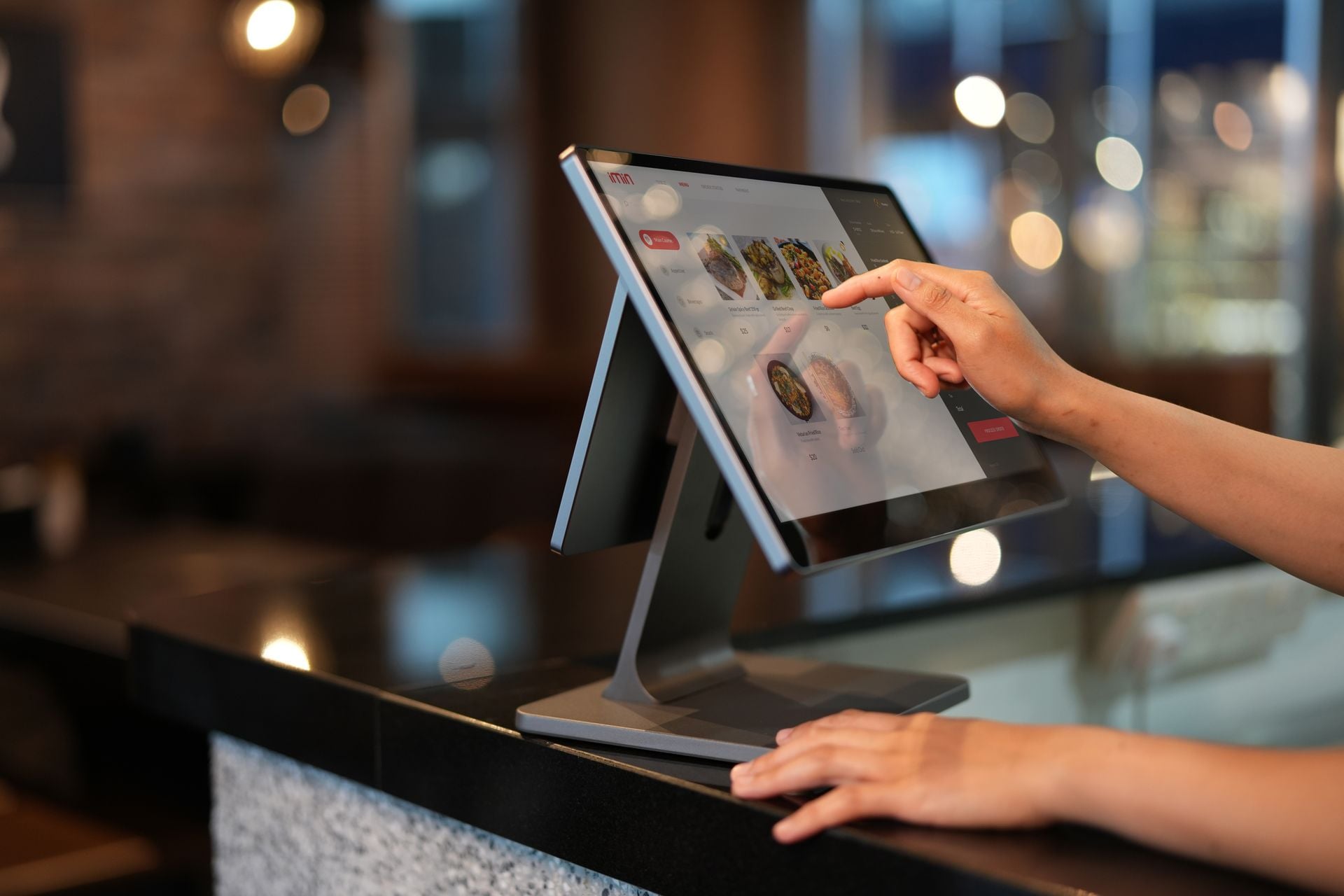
The benefits of modern displays do not stop at the customer-facing side. The employees processing these transactions also rely on interactive screens to do their jobs faster. Point-of-sale systems and teller terminals equipped with touch capabilities allow workers to navigate specialized software with incredible speed. Instead of tabbing through endless fields with a computer mouse and a keyboard, a clerk can tap directly on the relevant section of the screen.
This streamlined workflow is especially valuable during peak business hours. When a retail store is busy, a cashier needs to process payments rapidly to keep the line moving. A modern interface allows them to ring up items, apply discounts, and process credit card payments with a few simple taps. The intuitive nature of these systems also reduces the time required to train new employees. New hires learn the software faster because the navigation is visual and direct, ensuring that the business maintains a high speed of service even when staffing changes occur.
The Future of Fast Commerce
As consumer expectations continue to evolve, the demand for fast, efficient service will only increase. Waiting in line to hand a piece of paper to a cashier is a practice of the past. By embracing interactive display systems, banks and retail businesses are prioritizing the time of their customers. These screens eliminate tedious manual data entry, streamline security verifications, and empower individuals to take control of their own banking needs. Whether it is a quick cash withdrawal at a local kiosk or a complex loan application at a main branch, modern displays ensure that every monetary exchange is processed with speed and precision. The businesses that invest in this technology will continue to lead the market by providing a superior, highly efficient customer experience.