
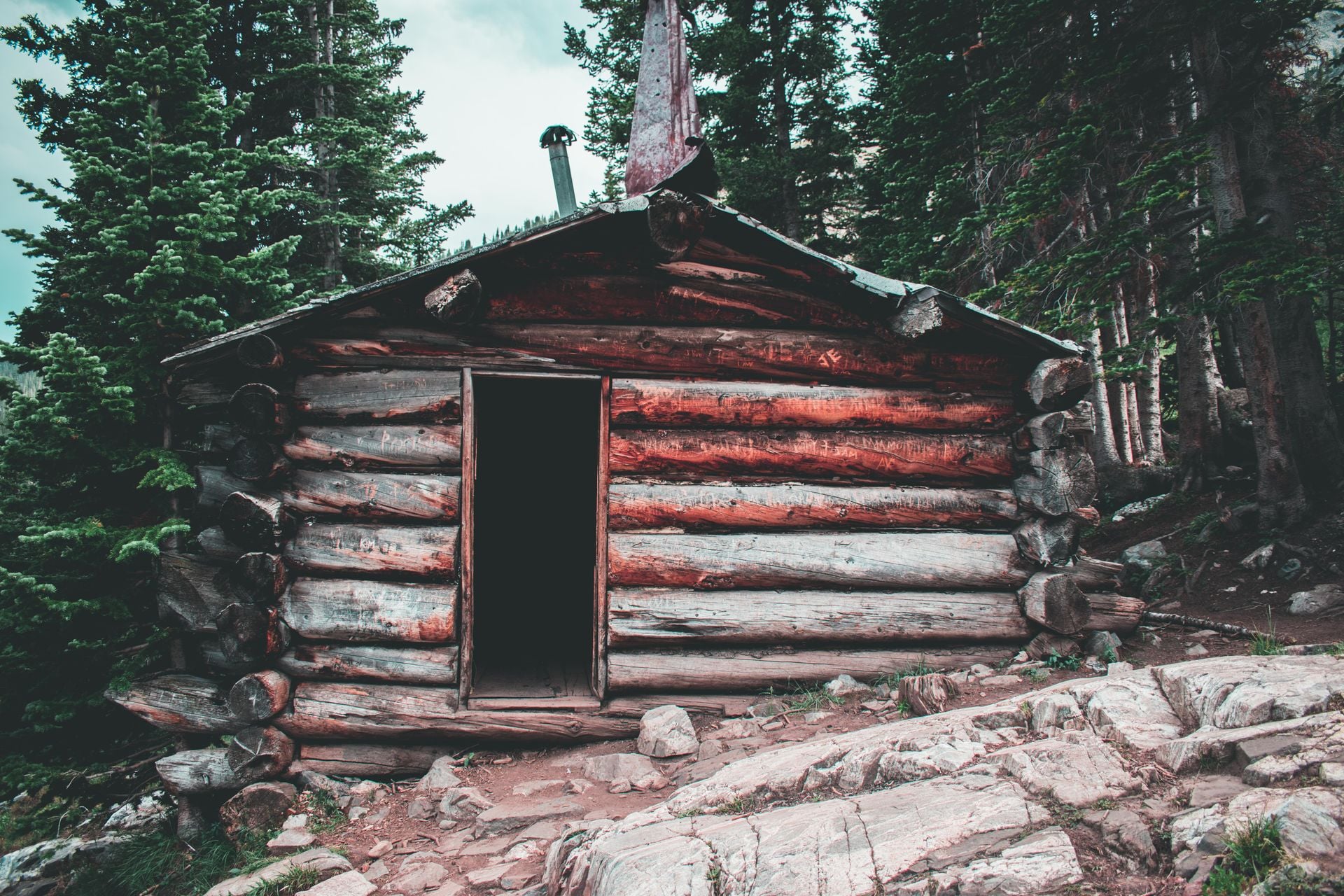

Every time you drive through an established neighborhood, you see them. Older properties with incredible potential, just waiting for the right touch to bring them back to life. While new construction always grabs the headlines, the home restoration sector has quietly built itself into a highly profitable business niche. Homeowners are increasingly choosing to preserve historical character rather than tearing down and starting from scratch. This shift in consumer behavior creates a steady stream of work for specialists who know how to handle aging structures. Whether a company focuses on Victorian crown molding, mid-century modern layouts, or rustic log cabin maintenance, the demand for expert preservation is higher than ever. By focusing on specialized skills rather than volume building, restoration businesses are carving out a secure and lucrative space in the housing market.
The Enduring Appeal of Historic Character
When buyers look at new subdivision builds, they often see a lot of the same cookie-cutter designs. Older properties offer something you simply can’t buy off a modern assembly line: distinct character. Hardwood floors with original grain patterns, intricate woodwork, and unique architectural quirks draw people in. They want a space with a story.
However, buying an older property means dealing with decades of wear and tear. This is where the restoration contractor steps in. Unlike a standard remodeler who might just rip everything out and install basic drywall, a restoration expert knows how to save the original soul of the property. They know how to source period-accurate hardware and seamlessly blend modern plumbing or electrical systems behind vintage plaster. Customers are willing to pay top dollar for this level of craftsmanship because it preserves the exact charm that made them fall in love with the house in the first place.
Economic Stability in a Fluctuating Market
The real estate market is famous for its wild swings. When interest rates climb, new home construction usually grinds to a halt. Families who might have bought a new, larger house decide to stay put. But life doesn’t stop, and their living needs still change. Instead of moving, they choose to invest in their current property to make it work for their growing families.
This behavior makes the restoration and renovation niche incredibly resilient. When the broader housing market slows down, restoration companies often see their schedules fill up. People decide it makes more financial sense to fix their drafty windows, restore their original siding, or convert an aging attic into a usable bedroom rather than taking on a new mortgage at a higher rate. Because these businesses aren’t tied to the rise and fall of new housing starts, they enjoy a much more predictable and stable revenue stream year after year.
High Margins Through Specialization
If you run a general contracting business that only does basic drywall and paint, you are always competing on price. There is always someone willing to underbid you just to keep their crew busy. The restoration sector operates on a completely different playing field. When a homeowner needs someone to repair a century-old stained glass window or stabilize a sagging timber-framed porch, they aren’t looking for the cheapest bid. They are looking for the person who actually knows how to do it right.
Specialization commands a premium. When you position your business as an expert in a specific type of historic preservation, you eliminate most of your cheap competition. Clients recognize that true restoration requires a deep understanding of historical building techniques and materials. Because you are offering a rare skill set, you can structure your pricing to reflect that expertise. This leads to significantly better profit margins compared to standard modern remodeling jobs. You work on fewer, higher-quality projects instead of racing through dozens of low-paying gigs just to make payroll.
Aligning With the Green Building Movement
Sustainability is no longer just a trend; it is a major driving factor in how consumers spend their money. The most environmentally friendly building is the one that is already standing. Tearing down an old structure and sending tons of debris to a local landfill takes a huge toll on the environment. Manufacturing and shipping all the new lumber, concrete, and fixtures for a replacement build just adds to that carbon footprint.
Restoration companies naturally align with the modern push for green practices. By saving an existing structure, these businesses are essentially performing large-scale recycling. They salvage old-growth timber, restore existing masonry, and keep usable materials out of the dump. Modern restoration also involves upgrading the energy efficiency of these older spaces. Adding proper insulation, sealing drafts, and installing efficient HVAC systems inside a historic shell gives the homeowner the best of both worlds. They get to keep the vintage aesthetic while enjoying modern energy savings, making the restoration contractor a hero to both the client and the eco-conscious community.
Running a business in the construction trades is always challenging, but picking the right niche makes all the difference. The home restoration sector proves that you don’t need to chase the newest trends to build a successful company. By tapping into the emotional connection people have with historic properties, offering specialized skills that command premium pricing, and promoting sustainable building practices, restoration professionals secure their place in the market. As long as there are old houses standing, there will be a strong, profitable demand for the talented people who know how to bring them back to their former glory.